


Meet the 9 Original Ranges of Persian Colors Used in Persian Rugs
Los Angeles Home of Rugs on May 23rd 2024
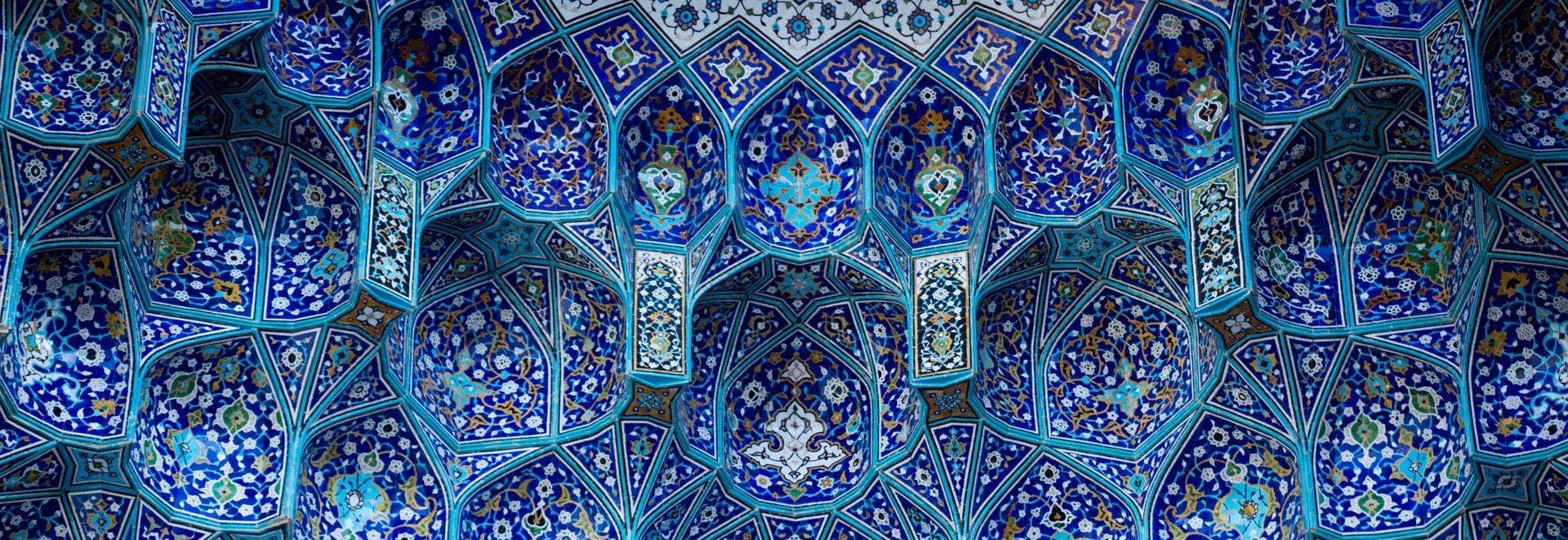
When you think of color, you might not immediately consider that certain hues carry a specifically Persian identity - that some of the most distinctive and enduring colors in the history of human visual culture originated in Iran and bear the word "Persian" in their names in the English language. Yet this is precisely the case. Nine colors are recognized internationally as distinctly Persian in origin, each named for the Persian tradition, material, or cultural context from which it emerged, and each playing a central role in the visual identity of Persian art - from the mosaic tilework of the great Safavid mosques to the intricate pile of authentic hand-knotted Persian rugs.
These nine Persian colors are far more than mere hues. They are cultural documents - each one encoding within its specific shade and saturation a piece of Persian history, geology, trade, philosophy, and spiritual life. Understanding them transforms the experience of looking at a Persian rug: what appeared to be beautiful abstraction reveals itself as a precisely calibrated visual language in which every color carries meaning, every shade reflects a specific material origin, and every combination embodies a worldview that has shaped Persian art for more than two millennia. This guide explores all nine iconic Persian colors, their origins, their cultural significance, and their role in the Persian carpet weaving tradition.
1 Persian Blue - Lapis Lazuli
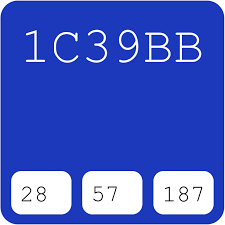
Persian blue - the deep, vivid, luminous blue known in the gemological world as lapis lazuli blue - is perhaps the most internationally recognized of all the Persian colors, and one of the most celebrated pigments in the entire history of human art. Its origin lies in the semi-precious stone lapis lazuli, mined since antiquity in the mountains of what is today northeastern Afghanistan and northwestern Persia - the same stone that provided the deep blue pigment (ultramarine) used by Renaissance painters in Europe and the brilliant blue glazes that cover the great mosques of Safavid Isfahan.
The earliest recorded use of the term "Persian blue" in the English language dates to 1669 - a testament to the long-standing association between this color and Persian artistic production in the European consciousness. For centuries before that date, the deep saturated blue of lapis lazuli-inspired Persian tilework was the defining visual signature of Persian Islamic architecture, creating the spectacular blue domes and tile facades that give Isfahan, Shiraz, and other Persian cities their characteristic visual identity and that have been endlessly reproduced in the decorative arts of cultures influenced by Persian aesthetics across the Islamic world and beyond.
In Persian carpet weaving, Persian blue appears in its most architecturally significant form as the deep midnight field color of the greatest court rugs - the color that makes the golden medallion of the Ardabil Carpet appear to float in infinite space, and that gives the finest Kashan and Isfahan medallion compositions their characteristic quality of celestial depth and luminosity. The association of this blue with the dome of heaven - with the vault of the sky above the paradise garden - is not coincidental; it is one of the most consistently maintained color symbolisms in the entire Persian visual tradition.
2 Light Persian Blue
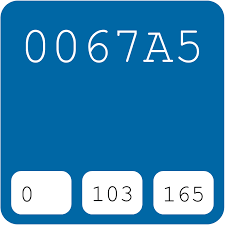
Light Persian blue is the softer, more contemplative sibling of the deep lapis lazuli blue - a greyish, desaturated blue of quiet refinement that functions in Persian decorative art as the foil to the intensity of deeper blues, providing tonal contrast and visual breathing room within compositions that might otherwise become overwhelming in their chromatic richness. Known among European fabric merchants as "Italian blue" - a testament to the role of Italian trade in bringing Persian textiles to Western markets - light Persian blue has a characteristic coolness and restraint that distinguishes it from the warmer, more saturated blues of Western decorative traditions.
In Persian ceramics, light Persian blue appears as the pale ground against which darker blue, black, and turquoise decoration is rendered in the tradition of Iznik and Persian underglaze tile work. In carpet weaving, analogous soft blue tones appear as secondary field colors, medallion grounds, and border elements in many Nain and fine Isfahan rugs - where the characteristic pale ivory-and-blue palette achieves a quality of refined delicacy unique within the Persian color tradition.
3 Persian Indigo - Dark Persian Blue
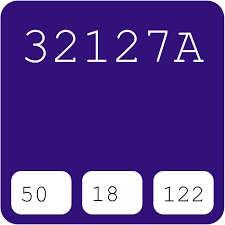
Persian indigo - the deepest, darkest, and most saturated of the three blue variants in the Persian color family - represents the ultimate depth of the indigo dye tradition that Persia mastered centuries before it was understood in Europe. Where Persian blue evokes the vivid lapis lazuli of the mosaic tile, Persian indigo evokes the velvet darkness of the midnight sky - a blue so deep it approaches black while retaining an unmistakable blue quality that gives it a characteristic visual weight and gravity unmatched by any other color in the Persian palette.
The indigo plant (Indigofera tinctoria) was one of the most valuable commodities traded along the ancient trade routes connecting India, Persia, and the Mediterranean world. Persian dyers developed sophisticated vat dyeing techniques for indigo that allowed them to achieve a range of blue depths - from the palest sky blue through the mid-range lapis blue to the deepest midnight indigo - with a stability and richness that no other dye source available in the pre-synthetic era could approach. The term "Persian indigo" entered the English language in 1912, reflecting the long-standing recognition of Persian mastery in indigo dyeing.
In Persian carpet weaving, true indigo - in its deepest, most saturated form - is the primary dye source for the dark navy blues that appear throughout the finest antique productions from Farahan, Kashan, Tabriz, and the great tribal traditions. The depth and stability of natural indigo blue is one of the primary visual markers of an authentically naturally dyed antique Persian rug - and one of the most reliable indicators of long-term value and collectibility.
4 Persian Rose - Gol Mohammadi
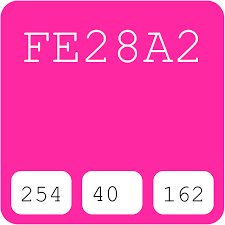
Persian rose is the color of the Gol Mohammadi - the Rosa damascena, the Damask rose, the most celebrated and culturally significant flower in the entire Persian botanical and poetic tradition. This vibrant blend of deep pink and magenta, warm and intensely saturated, carries within its hue the weight of thousands of years of Persian floral symbolism: the rose as the symbol of the beloved, of divine beauty, of the intoxicating transience of earthly perfection, and of the mystical union between the human soul and the divine - themes that run through the poetry of Hafez, Rumi, and Sa'di with the same insistence and the same emotional power as the scent of the Gol Mohammadi itself.
The term entered the English language in 1992 - relatively recently in the history of Persian color nomenclature - but the color itself has been present in Persian textiles, ceramics, and decorative arts for centuries. Persian rose tones appear throughout the carpet weaving tradition as the warm, emotionally charged accent colors that bring life and vitality to compositions anchored in deeper, cooler blues and greens: the rose of a palmette center, the warm pink of a subsidiary blossom, the vibrant magenta of a floral spray in a garden composition. In the finest Kashan and Isfahan rugs, rose tones derived from madder dye with specific mordanting create exactly this quality of warm, vibrant femininity within the overall compositional balance.
5 Persian Pink - The Subtle Elegance of Qajar Art
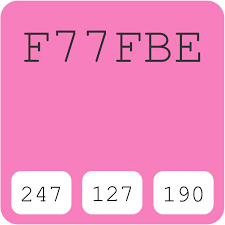
Persian pink is the quieter, more introspective companion to Persian rose - a soft, lavender-tinged pink of delicate sophistication that first appeared in the English language in 1923 and is most closely associated with the artistic production of the Qajar dynasty (1789-1925). Where Persian rose is vibrant and assertive - the color of the fully opened, intensely perfumed rose at the height of summer - Persian pink is the color of the budding rose, of the first light of dawn, of the subtle blush of ivory porcelain warmed by candlelight.
Qajar-era tiles, with their characteristic soft pinks, pale blues, and warm ivories, are one of the most immediately recognizable visual signatures of a specific period in Persian decorative art history - a period in which Persian visual culture was in productive dialogue with European Rococo and neoclassical aesthetics, producing a distinctive hybrid style of great charm and sophistication. In carpet weaving, analogous soft pink tones appear in Sultanabad and Nain production - particularly in the Ziegler Sultanabad tradition where delicate rose and pink tones in open floral field compositions contributed significantly to the appeal of these carpets in the Victorian and Edwardian Western market.
6 Persian Green - Turquoise and the Color of Paradise

Turquoise - the color that in Persian is called "ferozeh" (the stone that brings victory) - holds a place of singular importance in Persian culture that goes far beyond its role as a decorative color. The mineral turquoise has been mined in the Nishapur region of northeastern Persia since at least 2000 BCE, making it one of the oldest continuously exploited gemstones in human history - and giving Persian culture a deep, ancient relationship with this specific color that no other civilization can claim with equal authority.
Persian green - a dark, greyish-green shade with distinct blue undertones, inspired by the mineral malachite - is the carpet weaving tradition's interpretation of this broad turquoise-green color territory. First documented in English in 1891, this color represents the convergence of two of the most symbolically important hues in the Persian color vocabulary: blue (the color of sky and water, of the divine and the celestial) and green (the color of nature, of paradise, of the life-giving oasis in the arid Persian landscape).
In Persian architecture, turquoise glazed tiles are the defining decorative material of the great mosque domes and minarets - the color that makes the Imam Mosque of Isfahan and the Shah Cheragh shrine of Shiraz appear to glow against the blue Persian sky. In carpet weaving, green tones occupy a special place as the colors of the garden - of the foliage, the vine scrolls, the leaves that surround the floral motifs in every classical Persian composition. The extraordinary range of greens achieved by Persian dyers - from the palest celadon through jade and emerald to deep bottle green - using combinations of indigo and various plant-based yellow sources is one of the most celebrated technical achievements of the natural dye tradition, and the green palette of a great Farahan rug remains among the most admired in all of Persian carpet production.
7 Persian Plum - Anabi, the Color of the Dried Plum
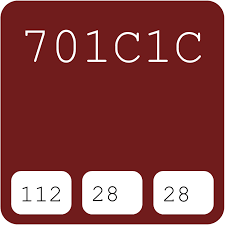
Persian plum - known in Persian as "Anabi," from the word for grape (angur) and plum (alu) - is the rich, deep color of dried plums and aged red wine: a complex blend of red and brown with purple undertones that conveys a sense of depth, maturity, and warm earthiness unlike any other color in the Persian palette. Where the brighter reds of Persian carpet weaving evoke the vitality and passion of life, Persian plum evokes the mellowed richness of age - the deepened, darkened quality of color that time and natural dye patination produce in the finest antique textiles.
Anabi tones appear throughout Persian handicraft production - in leather goods, in embroideries, in woven textiles - wherever the craftsperson seeks a color of warmth and sophistication that avoids the assertiveness of pure red or the severity of pure brown. In carpet weaving, analogous maroon and deep burgundy tones appear as border colors, as secondary field elements, and as the primary field ground in certain tribal and village productions where a warmer, earthier alternative to the brighter madder reds of city production is preferred. In antique Kurdish and Bakhtiari tribal rugs, rich maroon tones derived from madder with specific mordanting create a characteristic visual warmth that is one of the most immediately recognizable qualities of these traditions.
8 Persian Red - The Color of Earth and Empire
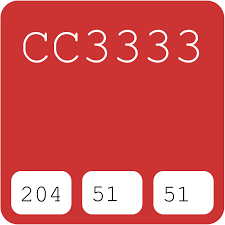
Persian red is perhaps the most immediately recognizable of all the Persian colors in the context of carpet weaving - the deep, warm orange-red that defines the classic Persian carpet palette and that, for generations of Western collectors, has been synonymous with the visual identity of authentic Persian rugs. This specific color - a warm, slightly orange-tinged red with remarkable depth and luminosity - is derived from the iron-rich ochre soils of the Persian Gulf coastal region and Hormuz Island, the same geological source that gave the ancient trade route its distinctive red-dusted character and that continues to provide the raw material for Persian red pigments today.
First documented in English in 1895, Persian red was known in the trade as "artificial crimson" - a reference to its use as a pigment in pottery and rug making as a substitute for the more expensive cochineal and kermes-based crimson dyes. In carpet weaving, the characteristic orange-red of Persian red appears most prominently in the field grounds of Sultanabad Mahal rugs - particularly the warm "Laki red" that is one of the most distinctive and beloved colors in the entire antique Persian carpet market - and in many tribal productions where iron-rich local soils provide the dye source directly from the weaver's immediate landscape.
The deeper, more blue-toned madder reds of the finest Kashan and Isfahan city rugs represent the other end of the Persian red spectrum - cooler, more formal, and more deeply saturated than the warmer orange-reds of the Sultanabad tradition, but equally dependent on the mastery of natural red dye sources that gives authentic Persian red its characteristic depth and graceful aging behavior over time.
9 Persian Orange - The Color of the Silk Road
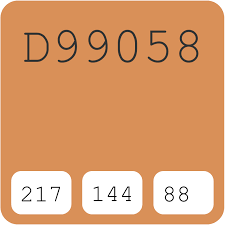
Persian orange is the color of the Silk Road itself - warm, vibrant, and luminous, evoking the golden glow of the caravans that carried the riches of the East along the ancient trade routes through Persia to the Mediterranean world. The etymology of this color connects directly to the history of global trade: the word "orange" in most European languages derives from the Persian and Sanskrit "naranj," the name of the bitter orange (Citrus aurantium) that was one of the most valuable commodities traded along the Silk Road routes that passed through Persia for centuries before sweet oranges were introduced to Persia by Portuguese traders in the 16th century.
Persian orange - a medium-toned, warm orange made from iron oxide-rich soil - has been recognized in English since 1892 and appears throughout Persian ceramics and carpet weaving as an accent color of particular warmth and vitality. In carpet weaving, orange tones occupy an important role as transitional colors - bridging the warm reds of the field and the golden yellows of the highlights, creating visual harmony between adjacent color areas that might otherwise create jarring contrasts. The warm ochre and orange accents in antique Kurdish tribal rugs and the golden-orange highlights of fine Kashan palmettes both exemplify the characteristic role of Persian orange as the color that warms and unifies a composition without overwhelming it.
Color as Cultural Heritage - The Persian Palette in Your Home
Understanding these nine colors and their historical, geological, and cultural origins reveals the extraordinary depth of Persian color philosophy - a tradition in which color is never merely aesthetic but always simultaneously material, symbolic, and spiritual. The deep lapis blue of a great Persian field ground is not simply a beautiful color; it is the color of the vault of heaven, derived from stone mined in the mountains of the Persian world, carrying centuries of association with the divine and the celestial. The warm madder red of a Kashan border is not simply an attractive hue; it is the color of blood, of life, of the rose, derived from the roots of a plant cultivated in Persian gardens for centuries, aging gracefully across decades into tones of extraordinary complexity and beauty.
In Persian architecture - especially in the great mosques of Isfahan, Shiraz, and Mashhad - these colors are used together to create the visual experience of paradise: the celestial blues of the dome suggesting the vault of heaven above, the turquoise and green of the tilework evoking the eternal garden below, and the warm reds and golds of the interior decoration providing the sensory warmth of the divine presence. Persian carpet weaving translates this same architectural color philosophy into the horizontal plane - creating, on the floor beneath the worshipper's or the homeowner's feet, the same visual representation of a harmonious, beautiful, and spiritually resonant universe.
When you bring an authentic Persian rug into your home, you bring with it this entire color tradition - the accumulated wisdom of centuries of Persian dyers, weavers, and designers who understood color not as decoration but as meaning, not as surface but as substance. At Los Angeles Home of Rugs, every rug in our collection is naturally dyed with traditional color sources that participate in this ancient and living tradition - giving you not just a beautiful floor covering, but a genuine piece of one of the world's greatest color cultures.