Preserving the Timeless Elegance: A Guide to Maintaining Antique Rug Fringes
Los Angeles Home of Rugs on Jun 4th 2024
Antique Persian rugs are among the most enduring and beautiful objects that human hands have ever produced - treasures of cultural heritage and artistic mastery that can survive for centuries when properly cared for. Yet even the finest hand-knotted Persian carpet is not immune to the passage of time and the cumulative effects of daily use. Among the most vulnerable elements of any authentic Persian rug is its fringe - the delicate warp threads that extend beyond the pile at each end of the rug, forming one of its most visually distinctive and structurally important features.
Despite its apparent delicacy, the fringe of a Persian rug is not merely decorative. It is the exposed root of the rug's structural skeleton - and understanding what it is, why it matters, and how to care for it properly is essential knowledge for any owner of an authentic hand-knotted carpet. This guide covers everything you need to know about Persian rug fringe: its construction and structural role, the specific threats it faces, why its preservation matters for the rug's long-term integrity and value, and the practical methods available for protecting and maintaining it.
1 Understanding Rug Fringe - What It Is and Why It Exists
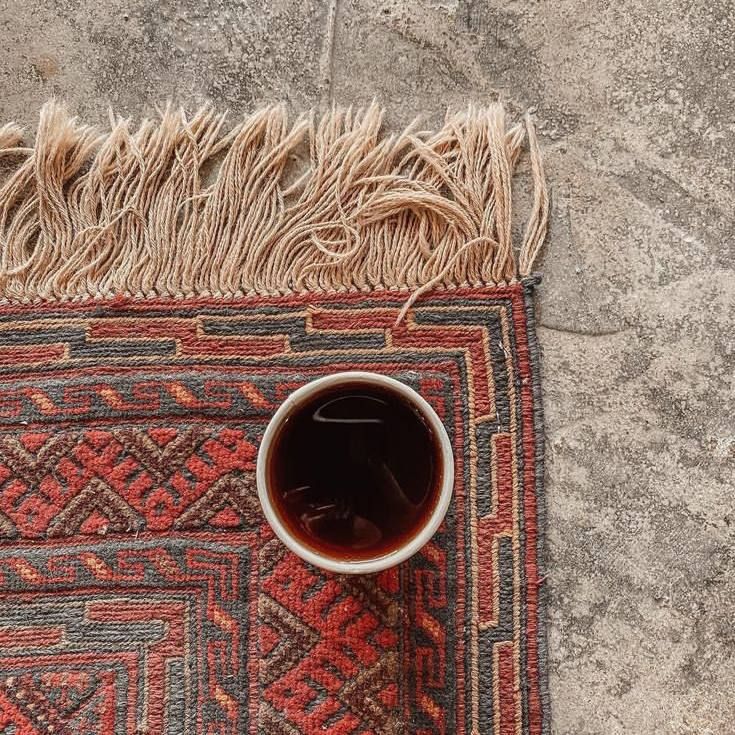
The fringe of a Persian rug is commonly referred to in the trade as the "root" - a term that captures its structural role far more accurately than the word "fringe" suggests. The fringe consists of the warp threads of the rug - the vertical structural threads that are stretched on the loom before a single knot is tied, around which every pile knot in the rug is wrapped, and which form the fundamental structural skeleton of the entire piece. At the end of weaving, these warp threads extend beyond the last row of pile, and it is these extensions - tied, knotted, or left as loose strands - that constitute the fringe visible at each end of the finished rug.
Understanding this structural role transforms how we think about fringe care. The fringe is not an ornament added to the rug after completion - it is the literal foundation from which the rug was built. Damage to the fringe is therefore not merely cosmetic damage to a decorative element; it is structural damage to the rug's foundation, with consequences that can propagate inward from the fringe edge and ultimately threaten the integrity of the pile field itself.
• Material composition - in city rugs from Isfahan, Kashan, Tabriz, and Nain, the warp threads - and therefore the fringe - are cotton, providing a dimensionally stable, non-stretching foundation. In tribal rugs from the Qashqai, Kurdish tribes, and other nomadic traditions, the warp is typically wool - giving the fringe a different texture, color, and behavior under use and cleaning. In the finest silk rugs from Qum, silk warps produce a fringe of extraordinary fineness and delicacy. Understanding the material of your rug's fringe is the first step toward caring for it appropriately.
• Color and appearance - the fringe of most Persian city rugs is naturally white or cream-colored - the natural color of unbleached cotton warp thread. This white fringe provides a clean visual boundary at each end of the rug, separating the pile field from the floor surface and providing a crisp terminus to the border composition. In tribal and nomadic rugs, the wool warp fringe may range from natural undyed cream to light brown or grey depending on the natural color of the wool used.
• Fringe styles and finishing - the fringe of different Persian rug traditions is finished in different characteristic ways that provide important authentication information. Simple loose strands are the most common form in city rugs. Knotted fringe - in which groups of warp threads are tied in overhand knots at regular intervals - is used in many traditions to secure the last weft row and prevent unraveling. Braided, twisted, or intricately patterned fringe appears in some tribal traditions as a form of decorative expression in its own right. Lace or chain-stitch embroidery applied to the fringe edge is a more elaborate finishing technique associated with specific weaving traditions and quality levels.
2 The Threats to Rug Fringe - What Causes Damage
The fringe of a Persian rug is exposed to a specific set of threats that the protected pile field does not face in the same way. Understanding these threats is essential for developing an effective care strategy.
• Foot traffic and mechanical abrasion - the fringe extends beyond the pile onto the floor surface and is therefore subject to direct foot traffic, furniture leg pressure, and the mechanical abrasion of shoes and bare feet. Unlike the pile, which is protected by its dense, compact structure, the fringe threads are individually exposed and can be worn, frayed, and ultimately broken by sustained mechanical abrasion.
• Vacuum cleaner damage - one of the most common causes of fringe damage in domestic settings is the vacuum cleaner. Rotary brush attachments (beater bars) can catch fringe threads and wind them around the brush, snapping or pulling them from the rug's foundation. Even suction-only vacuum heads can cause damage if applied directly to fringe at full power. Proper vacuuming technique - working in the direction of the pile with a suction-only head, avoiding the fringe entirely or vacuuming it very gently by hand - is one of the most important habits for fringe preservation.
• Dirt and soil accumulation - the fringe, lying flat on the floor surface, is exposed to the full accumulation of floor-level dirt, dust, pet hair, and grit that settles in any domestic environment. This soil accumulation is not merely aesthetic - embedded grit acts as an abrasive that accelerates fiber wear with every contact, while organic debris can attract insects and provide a substrate for mold growth in humid conditions.
• Moisture and mold - the fringe is particularly vulnerable to moisture damage because it lies in direct contact with the floor and can wick moisture from below - from spills that reach the floor surface, from floor-level humidity, or from cleaning processes that leave the fringe damp for extended periods. Sustained moisture in the fringe creates ideal conditions for mold and mildew growth, which can permanently damage the fiber structure and create health concerns.
• Pest damage - moths and carpet beetles target the protein fibers of wool and silk, and fringe - particularly unwashed, soiled fringe - can be a point of entry for pest infestations that subsequently spread into the pile field. Regular inspection and cleaning of the fringe is therefore an important element of overall pest prevention for wool and silk Persian rugs.
• Improper cleaning techniques - well-intentioned but misinformed cleaning attempts are a frequent cause of fringe damage. Harsh detergents, excessive mechanical scrubbing, prolonged wetting, and high-temperature drying can all damage fringe fibers in ways that are difficult or impossible to reverse. The natural cotton or wool fibers of Persian rug fringe require gentle, informed cleaning rather than the aggressive techniques appropriate for synthetic textiles.
• Structural unraveling from the pile edge - when fringe threads are broken or lost, the integrity of the last weft row - the row that holds the terminal knots of the pile in place - can be compromised. Without the tension provided by intact warp threads, terminal knots can loosen and the pile can begin to unravel from the edge inward. This structural deterioration, if not arrested, can result in significant pile loss that is expensive to repair and impossible to reverse perfectly.
3 Why Fringe Preservation Matters - Five Essential Reasons
The case for proactive fringe care rests on five interconnected arguments - structural, aesthetic, hygienic, financial, and cultural - each of which is compelling on its own, and which together make a powerful case for treating fringe preservation as an essential component of responsible rug ownership.
• Structural integrity and longevity - as established above, the fringe is the exposed root of the rug's warp structure. Protecting it from decay and damage extends not just the life of the fringe itself but the structural integrity of the entire rug - ensuring it remains a cherished heirloom capable of being passed through generations rather than requiring expensive structural restoration within decades.
• Prevention of cascading damage - damage to the fringe, if left unaddressed, can cascade into the pile field as terminal knots loosen and structural integrity is compromised from the edge inward. A well-maintained fringe prevents this cascading deterioration from beginning - which is always preferable, and always less costly, than arresting it once it has begun.
• Hygiene and indoor air quality - clean fringe means a cleaner rug overall. Soiled fringe accumulates dust, allergens, pet dander, and biological debris that can compromise indoor air quality and contribute to respiratory sensitivities in household members. Regular fringe cleaning - as part of a comprehensive rug care program - contributes to a healthier indoor environment.
• Investment value preservation - damage to the fringe of an antique or fine Persian rug directly diminishes its market value in ways that are disproportionate to the physical extent of the damage. Specialist dealers and auction evaluators assess fringe condition as a significant component of overall rug condition - and a rug with damaged, shortened, or replaced fringe is consistently valued lower than a comparable piece with original intact fringe, even when the pile field is in excellent condition.
• Preservation of authenticity and cultural significance - the original fringe of an antique Persian rug is part of the rug's authentic historical record. Keeping it intact and in its original condition - rather than allowing it to deteriorate and then replacing it with new material - preserves the rug's status as a genuine historical artifact rather than a restored reproduction. For collectors, this authenticity is not merely an aesthetic preference but a fundamental aspect of the rug's cultural and historical significance.
4 Methods for Rug Fringe Care - A Practical Guide
Effective fringe care combines proactive protective measures with appropriate cleaning techniques and the wise use of professional expertise when needed. The following methods, applied consistently and intelligently, will preserve the fringe of your Persian rug for decades of continued beauty and structural integrity.
Daily and Weekly Care
• Correct vacuuming technique - when vacuuming your rug, always use a suction-only attachment with no rotating brush or beater bar. Work in the direction of the pile across the main field of the rug. When reaching the fringe area, either avoid it entirely with the vacuum head and instead gently hand-smooth the fringe threads back into alignment, or use a very gentle suction-only pass parallel to the fringe rather than across it. Never allow a beater bar attachment near the fringe under any circumstances.
• Hand combing and alignment - periodically - perhaps once a month - gently comb the fringe threads back into their natural straight alignment using a wide-tooth comb or simply your fingers. Fringe that has been walked on, folded back, or tangled is more vulnerable to mechanical damage and soil accumulation than fringe that lies flat and parallel. A few minutes of gentle attention to fringe alignment significantly reduces the risk of damage.
• Positioning and traffic management - where possible, position the rug so that the fringe ends are not located in the highest-traffic zones of the room. Fringe that is regularly walked across will deteriorate more quickly than fringe that is positioned at the edge of a furniture grouping and receives only peripheral foot traffic.
Protective Measures
• Fringe covers - one of the most effective proactive approaches to fringe protection is the use of fringe covers - protective sleeves typically crafted from mesh cotton, breathable canvas, or similar materials that encase the fringe strands and shield them from direct contact with dirt, abrasion, and mechanical damage. Fringe covers are available from specialist rug dealers and cleaning services, and represent an extremely cost-effective investment in fringe preservation relative to the cost of fringe repair or replacement. They maintain the cleanliness and structural integrity of the fringe while being easily removed for professional cleaning.
• Embroidered wrappers - a more traditional and artisanally sophisticated approach to fringe protection, embroidered wrappers envelop the fringe in intricately woven fabric and are secured along the rug's end edges. Beyond their protective function, fine embroidered wrappers add a decorative element to the rug's presentation that reflects the broader Persian aesthetic tradition of attending to every detail of an object's presentation - from its central design to its most peripheral finishing element.
• Quality rug pad - while primarily serving to protect the pile and foundation of the rug from abrasion against the floor surface, a quality non-slip rug pad also reduces the mechanical forces transmitted to the fringe by preventing the rug from sliding - a movement that can tangle, stress, and ultimately break fringe threads. Ensure that the rug pad does not extend fully to the fringe edges, as a pad that bunches up under the fringe can create pressure points that accelerate damage.
Cleaning Methods
• Professional cleaning - the most reliable and safest approach to deep fringe cleaning is professional washing by a specialist experienced with antique Persian rugs. Professional cleaners have the expertise, equipment, and specifically formulated cleaning agents to remove accumulated dirt and grime from fringe fibers without compromising their structural integrity or natural color. For antique rugs or any rug with silk content, professional cleaning is strongly preferred over any form of home cleaning for the fringe specifically.
• Gentle spot cleaning at home - for light surface soiling between professional cleanings, the fringe can be gently spot-cleaned using a soft brush or clean white cloth dampened with cold water only - no detergents, no chemical cleaners, no colored cloths that might transfer dye. Work from the root of the fringe outward toward the tips with gentle strokes, never scrubbing. After cleaning, allow the fringe to air dry completely in a well-ventilated area - never use heat to accelerate drying, as heat can shrink cotton fringe and set stains permanently.
• What to avoid absolutely - never use bleach or bleach-based products on rug fringe, even though the white cotton of city rug fringe might seem like an appropriate candidate for bleaching. Bleach weakens cotton fibers at the molecular level, accelerating deterioration and creating brittleness that will cause threads to snap under minimal stress. Similarly, avoid steam cleaning, high-pressure water application, and any mechanical scrubbing that could tangle or stress fringe threads.
5 Fringe Repair - When and How to Address Damage
Despite the best preventive care, fringe damage can occur - and when it does, the question of how to address it requires the same careful judgment that guides all conservation decisions for antique and fine Persian rugs. The general principle is always to do as little as necessary to stabilize the damage and prevent further deterioration, while preserving as much original material as possible.
• Overcasting (serging) the terminal edge - when fringe threads have been lost or broken close to the pile edge, the most important structural intervention is to have the terminal edge of the rug overcast - a hand-stitched or machine-stitched binding that secures the last weft row and prevents further unraveling of the pile field. This is the minimum structural repair that should be made whenever fringe loss has reached the pile edge, regardless of any further aesthetic restoration decisions.
• Fringe replacement - in cases where the original fringe is too damaged or shortened to be preserved, replacement fringe can be sewn or knotted onto the rug's terminal edge. For fine and antique rugs, fringe replacement should always be done by a specialist using material that matches the original as closely as possible in fiber content, weight, and color. Replacement fringe on antique rugs should always be disclosed to any future buyer, as it represents a departure from the rug's original condition that affects both its authenticity and its value.
• When not to repair - for the most significant antique rugs, some conservators argue that the original shortened or damaged fringe - even if aesthetically imperfect - should be preserved as part of the rug's authentic aging record rather than replaced with new material. This is a judgment call that should be made in consultation with a specialist who is familiar with both the specific rug and the current standards of the collector's market in which it will eventually be evaluated.
6 Fringe Care as Part of a Complete Rug Care Program
Fringe care should be understood not as an isolated task but as an integrated component of a comprehensive Persian rug care program that addresses every aspect of the rug's condition across its full dimensions. The following core practices, applied consistently, will protect both the fringe and the overall integrity of your rug across decades of ownership.
• Regular rotation - rotate the rug 180 degrees every one to two years to distribute foot traffic and light exposure evenly across the pile, preventing uneven wear and ensuring that neither fringe end consistently receives heavier traffic than the other.
• Professional deep cleaning every three to five years - a thorough professional wash by a specialist experienced with authentic Persian rugs addresses both the pile and the fringe comprehensively, removing embedded dirt and biological debris before they can cause structural damage.
• Annual inspection - at least once a year, examine the fringe carefully along its full length on both ends of the rug, looking for broken or missing threads, signs of pest activity, staining, mold, or any structural deterioration at the pile-fringe transition. Early detection of problems allows them to be addressed before they escalate into more serious and costly damage.
• UV protection - prolonged direct sunlight exposure will fade and weaken both the pile and the fringe of an authentic Persian rug. Use UV-filtering window treatments or position the rug away from direct sun exposure to protect both elements simultaneously.
• Proper storage - if the rug must be stored for any period, roll it (never fold) around an acid-free tube with the pile facing inward. Ensure the fringe at both ends is gently folded inward before rolling begins, so that it is protected within the rolled bundle rather than exposed at its exterior. Wrap the rolled rug in breathable fabric and store in a cool, dry, dark environment with good air circulation.
The Fringe as a Testament to Craftsmanship
The fringe of an antique Persian rug serves as a visible testament to the craftsmanship and heritage of the entire piece. It is the point where the hidden structural skeleton of the rug becomes visible - where the warp threads that have supported every knot across the full surface of the rug finally emerge into the light. As such, it deserves the same quality of attention and care that the pile field receives - not as an afterthought or a minor concern, but as an integral part of the rug's identity, authenticity, and long-term integrity.
By combining proactive protective measures - fringe covers, proper vacuuming technique, traffic management, and regular rotation - with periodic professional cleaning and prompt attention to any emerging damage, you can ensure that the fringe of your Persian rug remains in the condition it deserves: clean, intact, and fully expressive of the extraordinary craft tradition from which the entire piece was born.
At Los Angeles Home of Rugs, we are committed to supporting our customers in caring for their Persian rugs across the full span of ownership. For questions about fringe care, professional cleaning recommendations, or any other aspect of Persian rug maintenance, our team of specialists is available to provide guidance based on decades of experience with authentic hand-knotted carpets from across the Persian weaving tradition.